

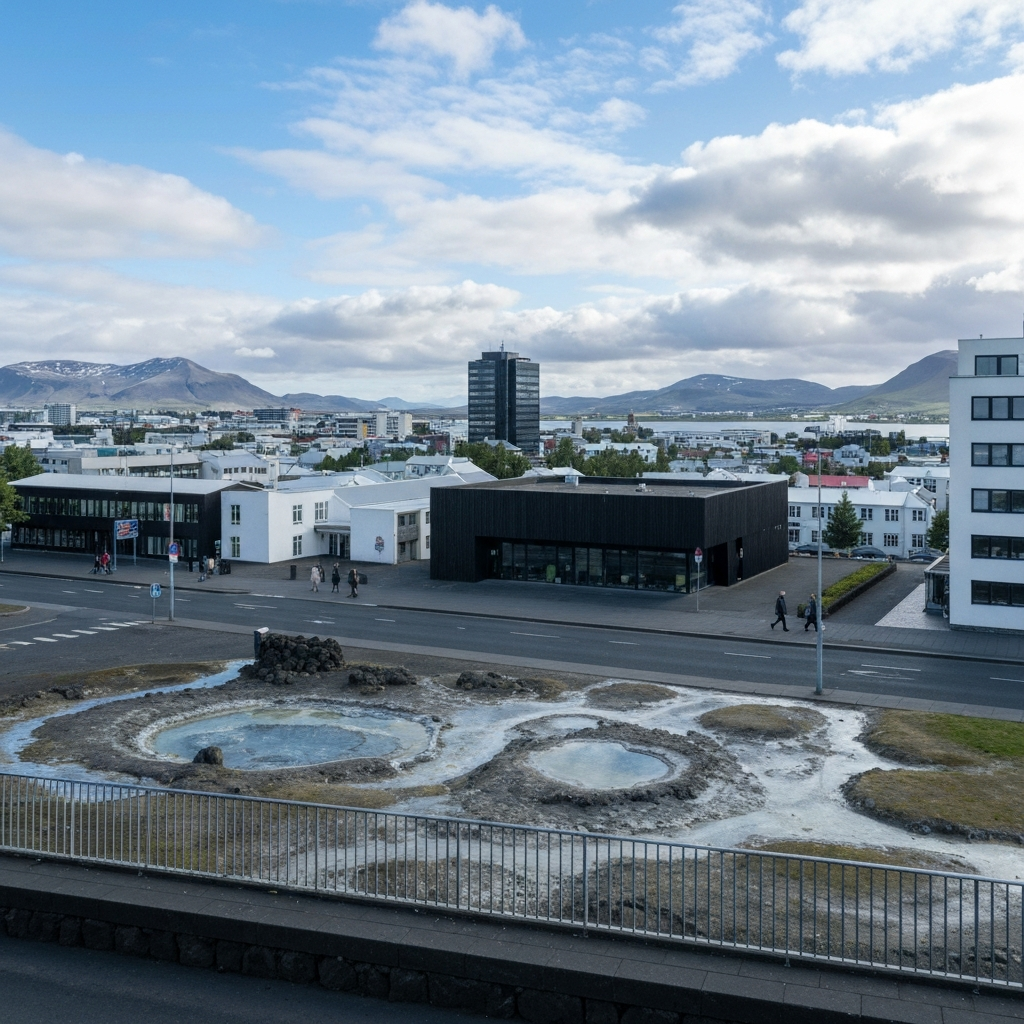
Reykjavík’s climate is a fascinating blend of subarctic and oceanic influences, resulting in weather patterns that are both unique and unpredictable. Despite its northern latitude, the city experiences relatively mild winters and cool summers, thanks to the moderating effects of the North Atlantic Current.
Seasonal Variations
Winter temperatures in Reykjavík typically hover around 0°C (32°F), with January averages around 0.5°C. While snowfall is common, it often melts quickly due to the maritime climate. Summers are cool, with average temperatures ranging from 10°C to 13°C (50°F to 55°F), and rarely exceeding 20°C. This coolness is attributed to the city’s coastal location and exposure to maritime winds.
Daylight Extremes
One of the most striking features of Reykjavík’s climate is the dramatic variation in daylight hours. From late May to late July, the city experiences near-continuous daylight, a phenomenon known as the ‘midnight sun.’ Conversely, from early December to early January, daylight is limited to just a few hours, with the sun barely rising above the horizon. This fluctuation significantly influences daily life and activities throughout the year.
Precipitation and Wind
Reykjavík receives an average annual precipitation of approximately 830 mm, with October being the wettest month. The city’s coastal position also makes it prone to windy conditions, with average wind speeds around 18 km/h year-round. Winter storms can bring gusts exceeding 90 km/h, making wind a defining element of the local climate.
Local Adaptations
Residents of Reykjavík have adapted to these conditions in various ways. Geothermal heating is widely used to keep homes warm during the colder months. The city’s numerous geothermal swimming pools serve as communal gathering spots, providing warmth and social interaction regardless of the weather. Additionally, the unpredictability of the weather has fostered a culture of flexibility and resilience among locals.
Understanding Reykjavík’s unique climate offers valuable insights into the daily lives of its residents and the natural forces that shape this vibrant city.