

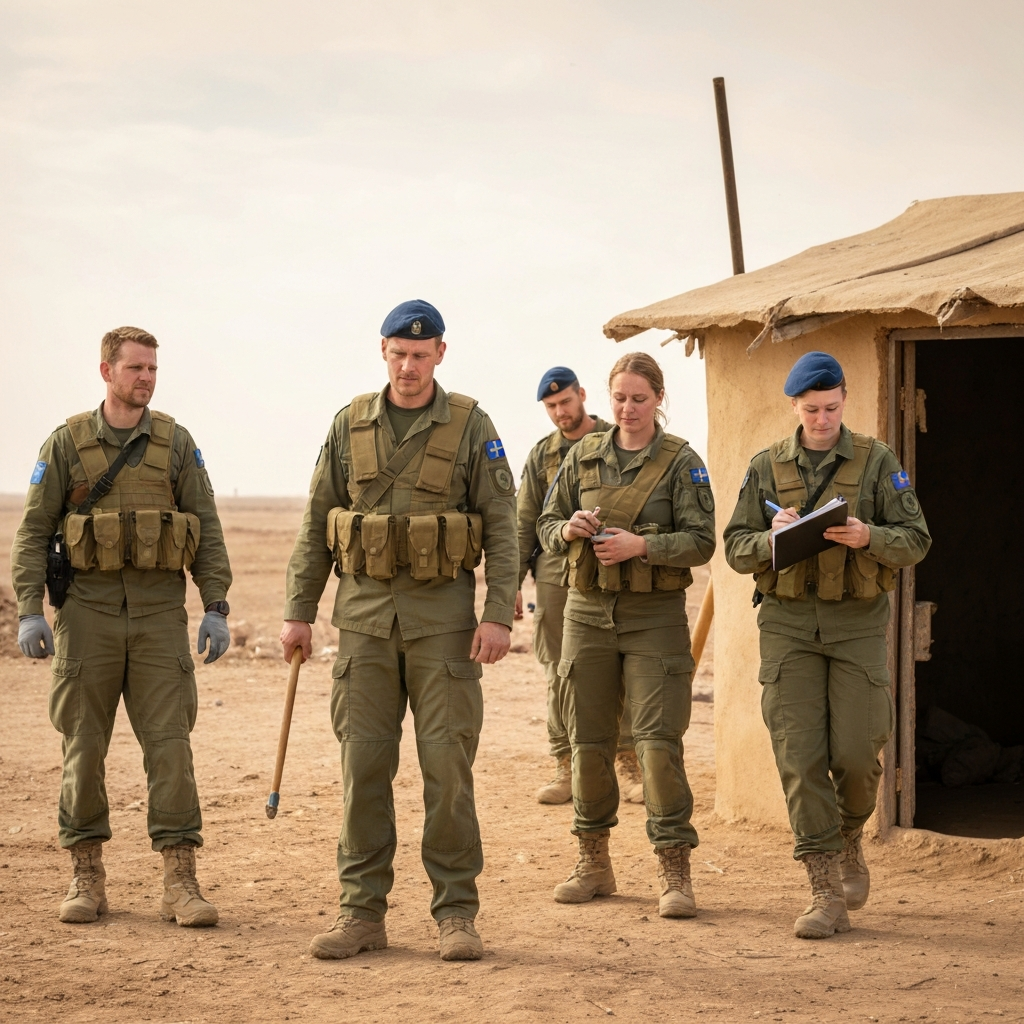
Despite lacking a standing military, Iceland has established itself as a significant contributor to global peacekeeping and humanitarian efforts. This commitment is exemplified through the Iceland Crisis Response Unit (ICRU), a civilian peacekeeping force managed by the Ministry for Foreign Affairs.
The Iceland Crisis Response Unit
Formed in the 1990s and formalized in 2001, the ICRU deploys civilian experts to various international missions. These specialists, drawn from fields such as law enforcement, healthcare, and emergency services, participate in operations organized by entities like the United Nations and NATO. Their roles range from supporting peacebuilding initiatives to providing humanitarian aid in conflict zones.
International Collaborations
Iceland’s dedication to global security is further demonstrated through its active participation in NATO. As a founding member since 1949, Iceland contributes to the Alliance by operating the Iceland Air Defence System, which includes four radar sites integrated into NATO’s air defense network. Additionally, Iceland hosts periodic NATO air surveillance missions, ensuring the security of its airspace.
Humanitarian Assistance
Beyond peacekeeping, Iceland engages in humanitarian assistance by partnering with various UN agencies. Through the Standby Partnership, Icelandic experts are deployed to support organizations such as the United Nations Office for the Coordination of Humanitarian Affairs (OCHA) and the World Food Programme (WFP). These collaborations focus on providing aid in crisis situations and promoting sustainable development worldwide.
A Unique Approach to Defense
Iceland’s approach to national defense and international security is distinctive. Without a traditional military, the nation relies on the Icelandic Coast Guard for maritime safety and defense duties, including operating the Iceland Air Defence System. This model underscores Iceland’s commitment to peace and stability, both domestically and globally.
Through these initiatives, Iceland demonstrates that a nation without armed forces can still play a vital role in promoting international peace and security. The country’s contributions reflect a deep-seated commitment to humanitarian values and global cooperation.